
"Wind Stain"
200 article(s) found

What is Indian monsoon Malaba coffee? How should India's Malaba coffee be roasted?
Professional coffee knowledge exchange more coffee bean information Please pay attention to coffee workshop (Wechat official account cafe_style) Monsoon Malaba AA Indian Monsooned Malabar AA early due to slow shipping speed, coffee raw beans exported from India to Europe absorbed moisture in a humid environment during the long transport process, thus transforming and producing a characteristic raw bean that had never been seen before.

Introduction to the production process of Indian style soiled coffee beans. What is the taste of monsoon Malaba coffee?
Professional coffee knowledge exchange more coffee bean information please follow the coffee workshop (Wechat official account cafe_style) old coffee, are you nostalgic? I am. After 4 months of wind treatment, the sea breeze blew, and the green beans finally turned golden. What has changed is not only seen by the naked eye? How do you know what traces of time are without a sip? The source of Indian wind-soaked beans

Indian-style Malabar coffee has been favored by Europeans since the 17th century.
Professional coffee knowledge exchange more coffee bean information Please follow the coffee workshop (official Wechat account cafe_style) refined wind-stained coffee on rainy days ~ we'll talk about it later. Coffee became the number one drink in the world only 1600 years later, so the recorded history of coffee is only 400 years similar to that of Taiwan. Most people recognize that Africa is the origin of coffee.

Introduction to the treatment methods of Indian Coffee Brand Monsooned Coffee Monsoon Coffee / Wind-stained Coffee
For more information on coffee beans, please follow the coffee workshop (Wechat official account cafe_style) Indian monsoon coffee (India Monsooned Coffee, also known as wind-stained coffee) when it comes to Asian coffee, consumers should be most familiar with low-sour, mellow Sumatran coffee, or Vietnamese coffee that has been increasing in production in recent years, but in fact, Indian coffee

Boutique coffee-monsoon Malaba (Monsooned Malabar)
Monsoon Malaba, also known as wind-stained Malaba, is a characteristic coffee in India, with yellow and white color, fat bean shape, very low acidity, very thick viscosity, syrup-like taste, nutty and cereal flavors with a hint of spicy and chocolate aromas and unique dusty flavors. In the 17th and 18th centuries, India shipped coffee beans to Europe by sailboat, which took six months and raw beans.
Boutique coffee beans Coffee species Monsoon Malaba (Monsooned Malabar)
Monsoon Malaba, also known as wind-stained Malaba, is a characteristic coffee in India, with yellow and white color, fat bean shape, very low acidity, very thick viscosity, syrup-like taste, nutty and cereal flavors with a hint of spicy and chocolate aromas and unique dusty flavors. In the 17th and 18th centuries, India shipped coffee beans to Europe by sailboat, which took six months and raw beans.

What's the flavor of Indian-style coffee? How can the Indian monsoon Malaba taste good?
Professional coffee knowledge exchange more information about coffee beans Please pay attention to the coffee workshop (official Wechat account cafe_style) Coffee has become the first drink in the world only 1600 years later, so the recorded history of coffee is only 400 years similar to that of Taiwan. It is generally recognized that Africa is the home of coffee, originated in Ethiopia and spread around the world from the port of Mocha in Yemen.
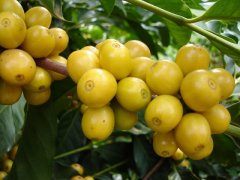
An introduction to the difference between sun-cured coffee beans and wind-stained Malaba in Alecon Farm, India
For the exchange of professional baristas, please follow the coffee workshop (Wechat official account cafe_style) Budan producing area in India-Alakon Farm (Yelnoorkhan Estate) Sun Bean Coffee was brought into the establishment of the first coffee farm by pilgrims as early as the 16th century. You may not imagine that India produces a lot more coffee than Ethiopia and any Central American country, with 900000 hectares.

Indian Coffee Brand | Calendar of Indian monsoon coffee [wind-stained Malaba Monsoon Malabar]
Professional coffee knowledge exchange more coffee bean information please follow the coffee workshop (Wechat official account cafe_style) Indian coffee brand | Indian monsoon coffee [wind-stained Malaba Monsoon Malabar] history? How to cook it properly? The so-called monsoon Malaba, as its name implies, is actually blown out by the wind. It is said that there would have been this strange thing that is now popular in Europe at the beginning.

What kind of coffee do you have in India? How to drink Indian Malaba coffee by hand?
Professional coffee knowledge exchange more coffee bean information Please follow the coffee workshop (Wechat official account cafe_style) in the early years, Indian coffee was transported by sea from the coast of Malaba to Europe, which often took about six months to arrive in Europe. In the long process of shipping, under the influence of sea breeze and monsoon, these coffee beans gradually develop their flavor and color.

What is suitable for washing Royal Robusta Coffee in India? is Royal Robusta Coffee good?
Professional coffee knowledge exchange more coffee bean information Please pay attention to the coffee workshop (Wechat official account cafe_style) India has always been one of the most important and special coffee producing countries in the East. In addition to the famous wind-soiled Farmabar coffee beans, India also produces many high-quality alpine Arabica manor-grade beans, as well as rare and exquisite planting, Robbs.

Introduction of Indian style-stained Malaba Coffee producing area _ Indian Coffee brewing data _ how about Indian Coffee
Professional coffee knowledge exchange more coffee bean information please follow the coffee workshop (Wechat official account cafe_style) Coffee production areas in India coffee was brought into the establishment of the first coffee farm by pilgrims as early as the 16th century, you may not imagine that India produces much more coffee than Ethiopia and any Central American country, with 900000 hectares of land growing coffee beans

In addition to curry, there is also coffee in India. Indian coffee features Indian coffee Malaba.
Professional coffee knowledge exchange more coffee bean information please follow the coffee workshop (Wechat official account cafe_style) Coffee was brought into the establishment of the first coffee farm by pilgrims as early as the 16th century. You may not imagine that India produces much more coffee than Ethiopia and any Central American country. There are 900000 hectares of land to grow coffee beans, and there are about 140000 in India.

Indian coffee brewing Indian style soiled coffee description of monsoon coffee brewing flavor
When it comes to coffee beans in Asia, people always think of Mantenin coffee in Indonesia or small-grain coffee in Yunnan, China. In fact, there is also a coffee bean with a mysterious veil, Indian-style coffee beans (also known as monsoon coffee or Malaba coffee Monsooned Coffee), whose flavor formation process makes Qianjie coffee very interested. It is said to be
How to tell which are this year's raw beans?
There are two main aspects to judge whether the raw beans are fresh or not.

The Origin Story of Old Manning in Indonesia what is the difference between Old Manning and Indian-style soiled beans
Professional coffee knowledge exchange more coffee bean information Please pay attention to the coffee workshop (Wechat official account cafe_style) grows at 12001500m above sea level. After a long time of ripening, the fruit acid of Manning not only becomes soft and moist, but also its mellow thickness and unique flavor can be performed amazingly in the mouth, this is the charm of aged Manning. Coffee farmers choose products
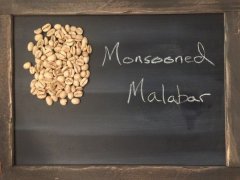
Indian monsoon beans | weathered beans Monsooned Malabar Malabar coffee beans
The exchange of professional baristas please follow the coffee workshop (official Wechat account cafe_style) about Malabar soy Malabar coffee, which has been favored by Europeans since the 17th century. This kind of wind-stained coffee is a new flavor created inadvertently. In the 17th and 18th centuries, India shipped coffee beans to Europe by sailboat, which took six months and raw beans.
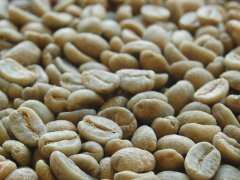
Know Coffee Raw beans
Fresh coffee, raw beans, full of vitality. Semi-fresh raw beans, with a little bit of stability in the vitality.
Coffee beans in previous lives.
Want to know how the coffee we drink every time we take a break is processed? Let's talk about coffee beans today.

How does Malaba form the flavor of Indian coffee?
Coffee was brought into the establishment of the first coffee farm by pilgrims as early as the 16th century, and you might not have imagined that India produces much more coffee than Ethiopia and any Central American country, with 900000 hectares of land growing coffee beans. There are about 140000 coffee farms in India, and more than 90% of the farms are small-scale farming with an area of less than 10 mu, which are located in the south and east.